
India is not just a country; it is a living museum of history, culture, and architecture. From ancient temples and royal forts to grand Mughal monuments, every corner of India tells a story. If you are passionate about history, exploring UNESCO heritage sites in India will take you on an unforgettable journey through time. These world heritage sites in India represent centuries of art, culture, and innovation that continue to inspire travelers from around the globe.
In this guide, we will explore the most famous historical places in India that offer not only breathtaking beauty but also deep cultural and historical significance. Whether you are a traveler, a student, or a history lover, this list will help you discover the true heritage of India.
Why UNESCO Heritage Sites in India Are So Special
When UNESCO declares a monument or site as a World Heritage Site, it means the place holds universal value and must be preserved for future generations. India has more than 40 such sites, and many of them are historical treasures. These monuments showcase the brilliance of ancient architecture, scientific knowledge, and artistic skills.
Visiting these historical places in India allows you to experience the evolution of civilizations, religions, and cultures. It also helps promote heritage tourism and supports local communities. This is why travelers from across the world visit these iconic destinations every year.
Taj Mahal – The Symbol of Eternal Love
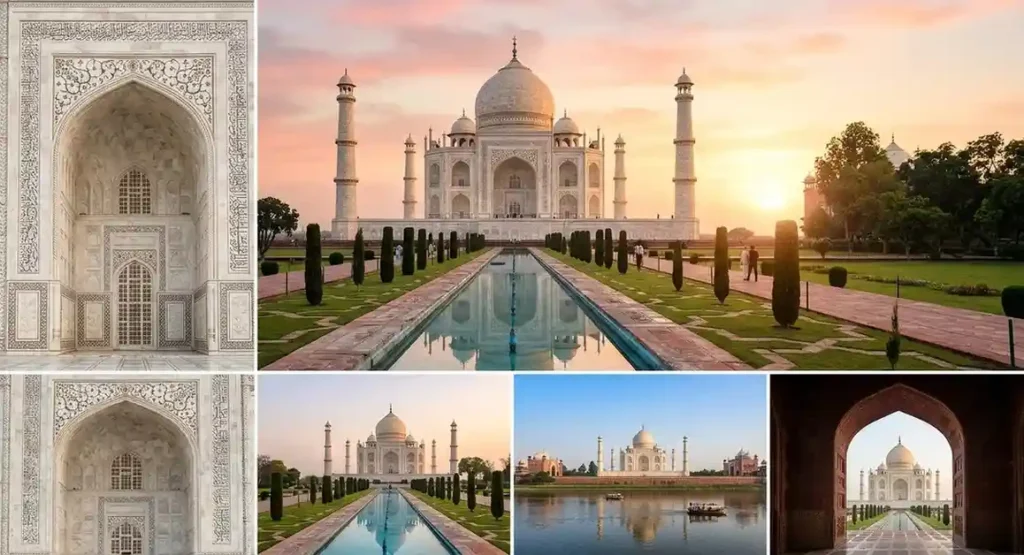
The Taj Mahal is one of the most famous UNESCO heritage sites in India and one of the Seven Wonders of the World. Mughal Emperor Shah Jahan built this monument in memory of his beloved wife Mumtaz Mahal. What makes the Taj Mahal extraordinary is not just its beauty but the emotion and craftsmanship behind it.
The monument changes color with the sunlight, creating a magical atmosphere during sunrise and sunset. Millions of visitors travel to Agra every year to witness this masterpiece. The Taj Mahal also reflects the advanced engineering and architectural techniques of the Mughal era. If you want to understand India’s historical and cultural depth, this monument should be at the top of your travel list.
Qutub Minar – A Tower of History and Power
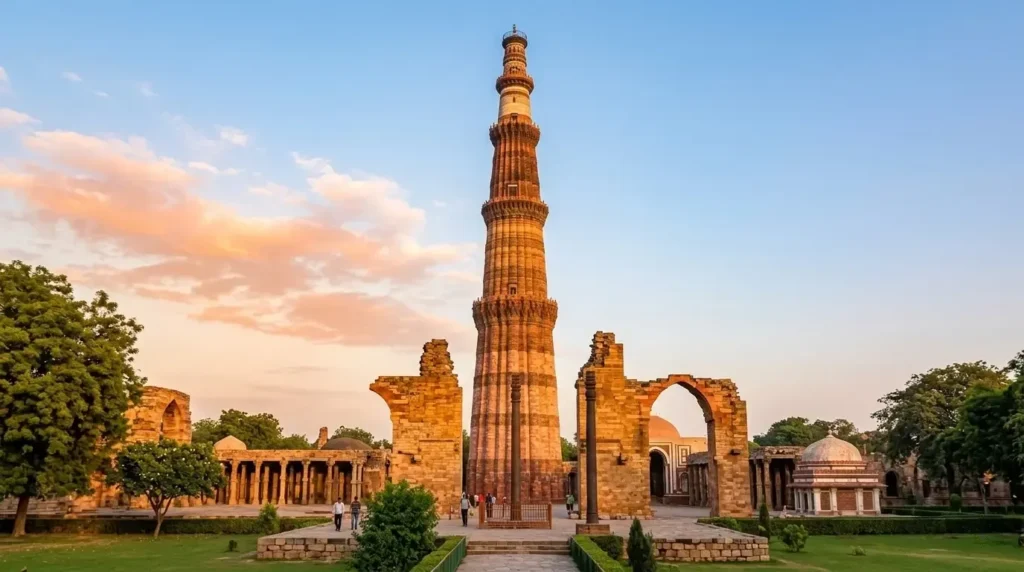
Standing tall in the capital city, Qutub Minar is the tallest brick minaret in the world. Built in the 12th century, it marks the beginning of Muslim rule in India. The monument features intricate carvings and Arabic inscriptions that reflect Indo-Islamic architecture.
The surrounding complex includes ancient ruins, mosques, and the famous Iron Pillar, which has not rusted for over 1,600 years. This fascinating fact attracts historians and scientists alike. Qutub Minar remains one of the most visited world heritage sites in India and is perfect for travelers interested in history and architecture.
Hampi – The Lost City of the Vijayanagara Empire
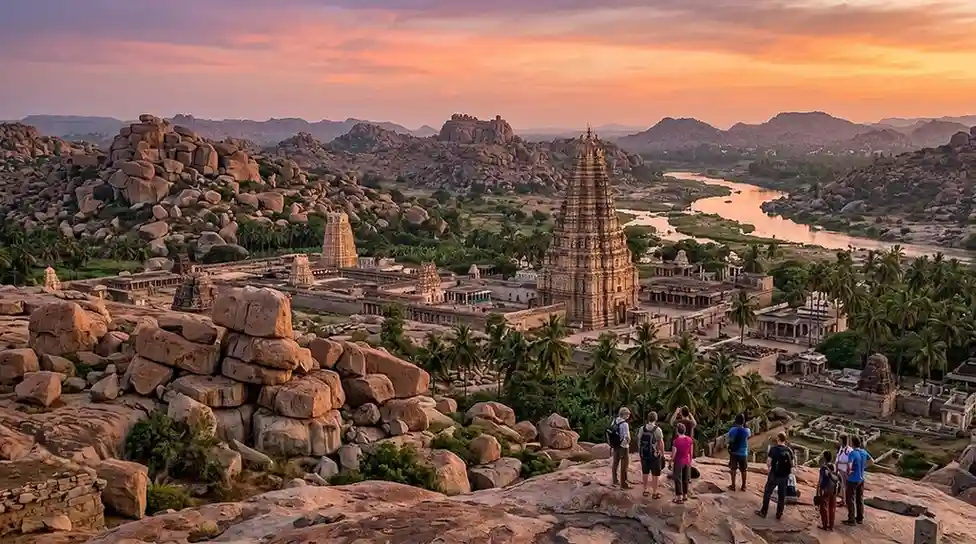
Hampi once served as the capital of the powerful Vijayanagara Empire. Today, its ruins spread across a vast landscape filled with temples, palaces, markets, and stone structures. Walking through Hampi feels like stepping into a forgotten kingdom.
The famous Virupaksha Temple is still active and attracts thousands of devotees. The stone chariot and musical pillars showcase the engineering brilliance of ancient India. This UNESCO site is not just about monuments; it is about experiencing history in its raw and natural form
Ajanta Caves – A Treasure of Ancient Art
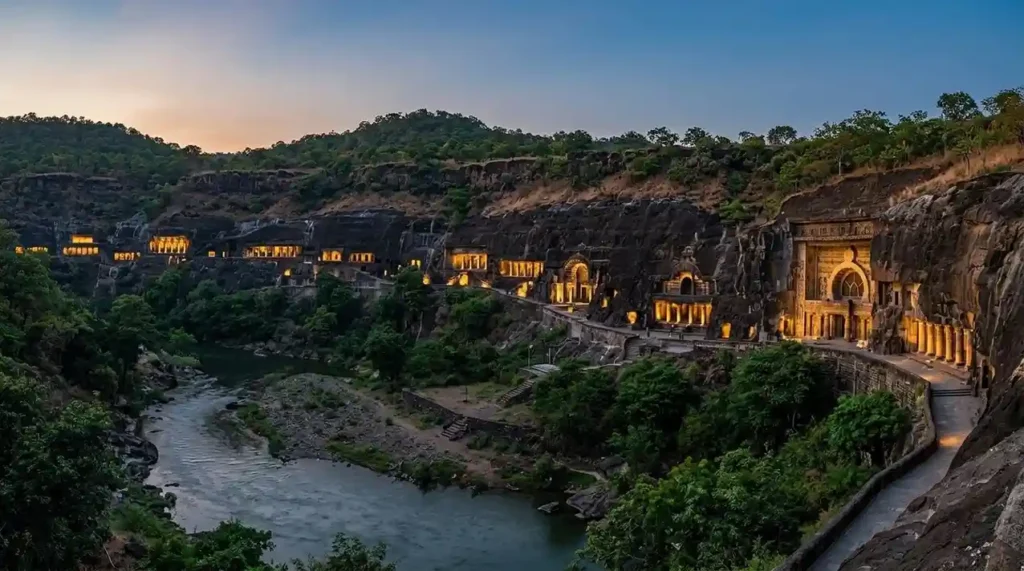
The Ajanta Caves are among the most remarkable UNESCO heritage sites in India. These rock-cut caves date back over 2,000 years and contain some of the finest Buddhist paintings and sculptures in the world.
The murals inside the caves tell stories of Buddha’s life and ancient Indian society. The fact that these paintings survived for centuries without modern technology highlights the advanced skills of ancient artists. Ajanta remains a must-visit destination for art lovers and researchers.
Ellora Caves – A Symbol of Religious Harmony
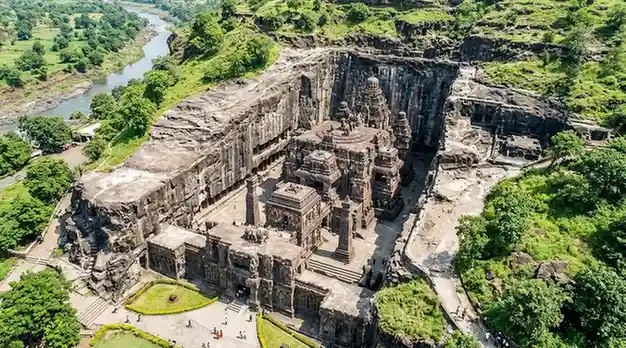
Located near Ajanta, Ellora Caves represent unity and coexistence. These caves include Hindu, Buddhist, and Jain monuments built in the same complex. The Kailasa Temple, carved from a single rock, is one of the largest monolithic structures in the world.
The construction of this temple required removing thousands of tons of rock, which shows the dedication and skill of ancient craftsmen. This site reflects India’s long tradition of religious tolerance and creativity.
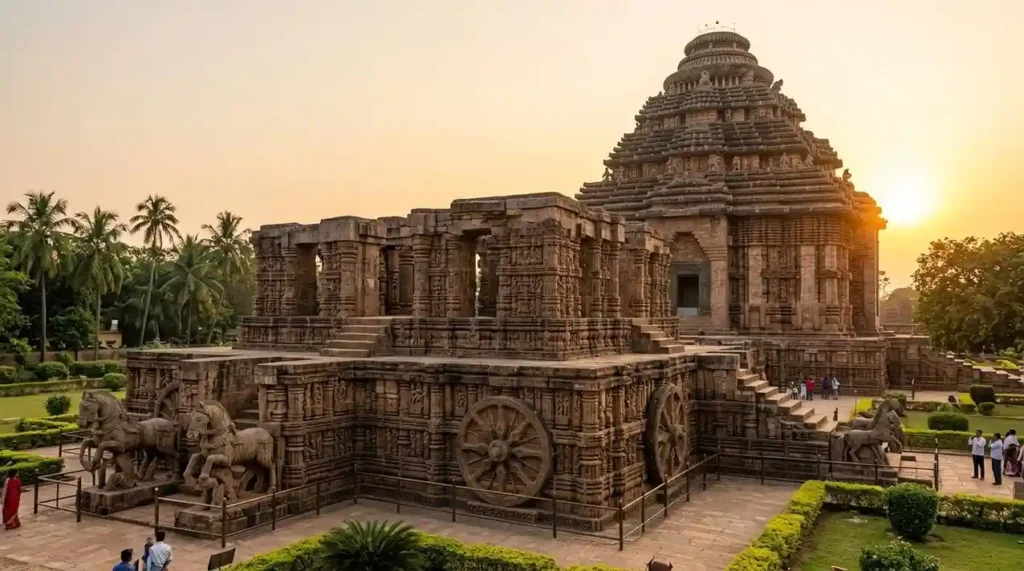
Sun Temple – A Marvel of Science and Architecture
The Konark Sun Temple is designed like a giant chariot of the Sun God, complete with 24 stone wheels. Each wheel works as a sundial, showing the advanced scientific knowledge of ancient India.
The temple also reflects the importance of astronomy, time, and energy in Indian culture. Even though parts of the monument are in ruins, it still stands as one of the most impressive world heritage sites in India.
Fatehpur Sikri – The Dream City of Akbar
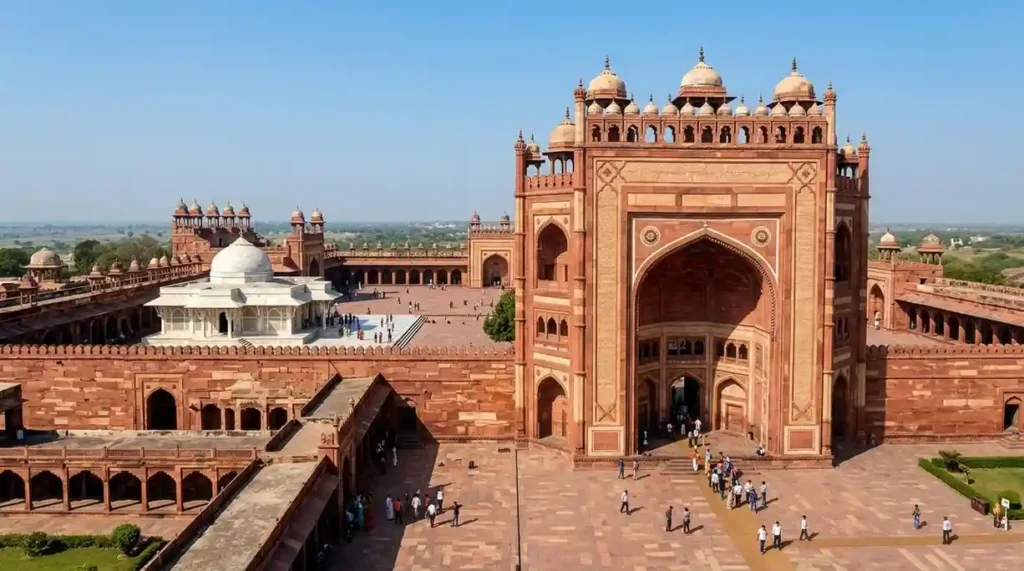
Fatehpur Sikri was once the capital of the Mughal Empire. Emperor Akbar built this city to celebrate his victory and to create a center of cultural and religious discussions.
The city includes palaces, mosques, and courtyards that display Mughal architecture. The famous Buland Darwaza, one of the largest gateways in the world, welcomes visitors with grandeur and history.
Sanchi Stupa – A Spiritual Heritage
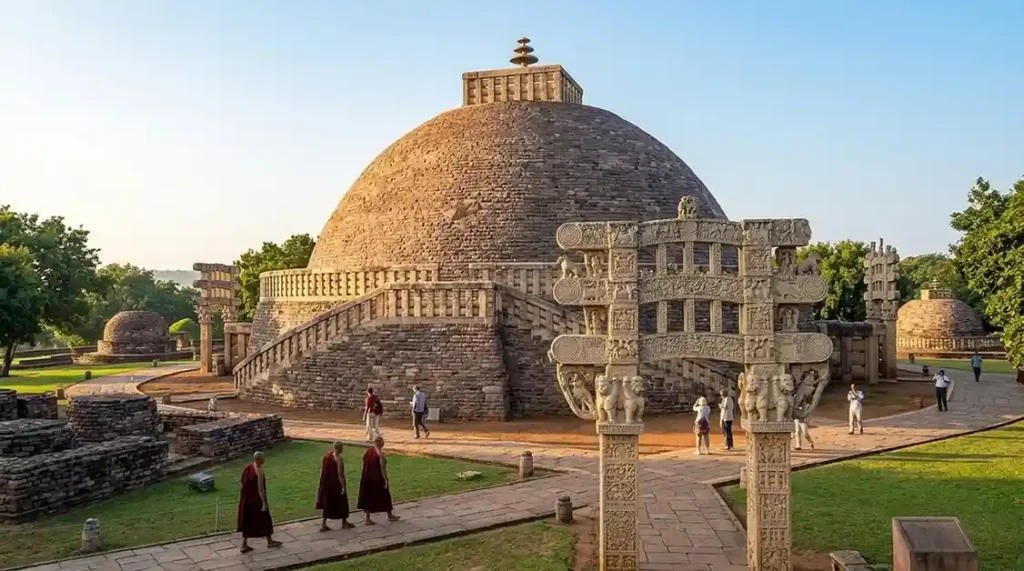
Sanchi Stupa is one of the oldest stone structures in India. Emperor Ashoka built it to spread Buddhism and peace. The carvings on the gateways depict stories from Buddha’s life.
The peaceful atmosphere and historical value make Sanchi one of the most meaningful UNESCO heritage sites in India.
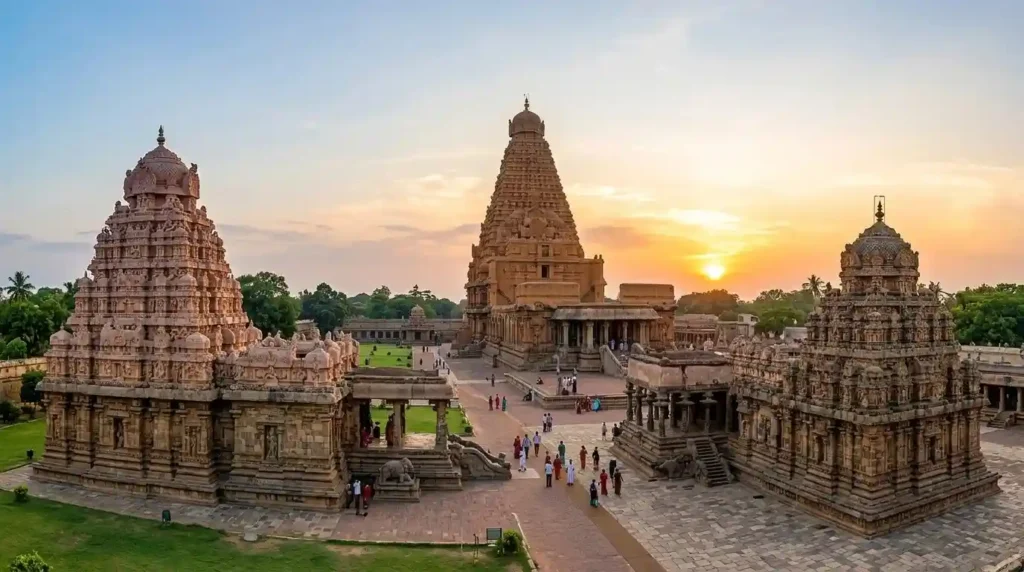
Great Living Chola Temples – The Pride of South Indian Architecture
These temples represent the greatness of the Chola dynasty and Dravidian architecture. The Brihadeeswara Temple is especially famous for its massive structure and detailed carvings.
These temples continue to function as places of worship, connecting history with modern spiritual life.
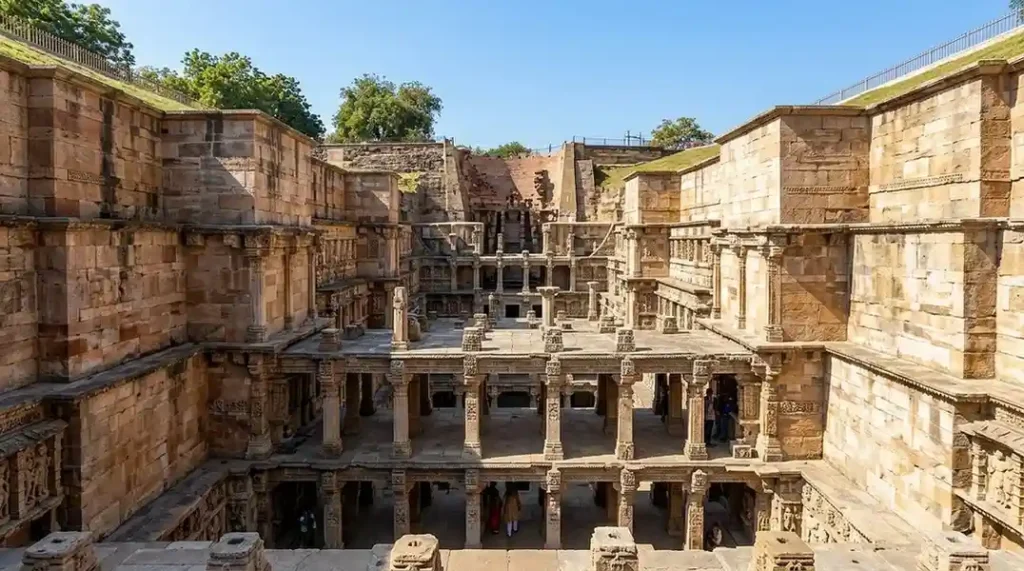
Rani ki Vav – An Engineering Wonder
This stepwell in Gujarat is a perfect example of water management and architectural brilliance. The carvings depict gods, goddesses, and mythological scenes.
It remained buried for centuries and was discovered later, which adds to its mystery and charm.
Best Time to Explore Historical Places in India
The ideal time to visit historical monuments in India is from October to March. The weather remains pleasant, and festivals during this period enhance your travel experience. Summers can be extremely hot, especially in northern India, so it is better to avoid peak heat.
Travel Tips to Visit UNESCO Heritage Sites in India
Always wear comfortable clothing and walking shoes because many historical places require exploration on foot. Hiring a local guide will help you understand the history better. Respect the monuments and avoid touching carvings to preserve them for future generations.
Booking tickets online and visiting early in the morning can help you avoid crowds.
Conclusion
Exploring famous historical places in India is not just a journey; it is an experience that connects you with centuries of culture and traditions. These UNESCO heritage sites in India reflect the diversity, creativity, and spiritual depth of the country. Whether you want to explore Mughal architecture, ancient caves, or royal temples, these world heritage sites in India offer unforgettable memories.
If you truly want to understand India, start your journey with these iconic destinations. They will inspire you, educate you, and leave you amazed by the timeless beauty of Indian heritage.